

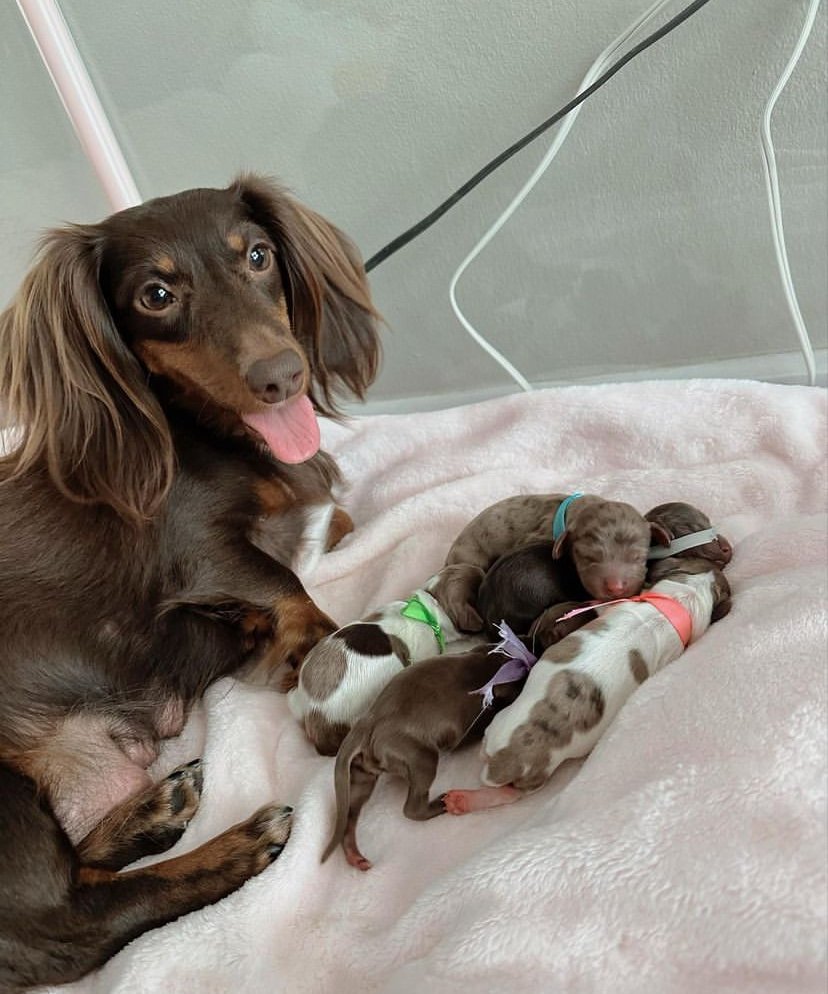
If you are searching for dachshund puppy potty training, you are probably preparing to bring home a new puppy or trying to build better habits with one you already have. Potty training is one of the first major responsibilities new puppy owners face, and with dachshunds, consistency matters more than almost anything else.
Dachshunds are intelligent, loyal, playful dogs, but they are also known for having an independent personality. That means they can learn quickly when the routine is clear, but they may also test boundaries when training is inconsistent.
At https://elitedachshund.com/, we believe a smooth puppy transition starts before your puppy comes home. Understanding a proper dachshund puppy potty training schedule can help reduce accidents, build confidence, and create a cleaner, less stressful home environment.
This guide explains how to potty train a dachshund puppy week by week, what to expect by age, why dachshunds sometimes take longer to house train, and how early structure helps create better long-term behavior.
Dachshund Puppy Potty Training Basics | EliteDachshund.com
Before starting any schedule, it is important to understand how dachshund puppies think and learn.
Dachshunds were originally bred as hunting dogs. They are alert, determined, and problem-solving by nature. These traits make them charming companions, but they also mean they need clear direction during training.
A dachshund puppy does best when the owner provides:
- A consistent potty location
- A regular feeding schedule
- Frequent outdoor breaks
- Calm correction after accidents
- Immediate praise after successful potty breaks
- Patience during the learning process
Potty training should never be based on fear or punishment. Harsh reactions can make puppies anxious and may actually slow the training process. A dachshund puppy learns best when the routine is predictable and the reward is immediate.
Are Dachshunds Hard to Potty Train? | EliteDachshund.com
One of the most common questions buyers ask is: are dachshunds hard to potty train?
The honest answer is: dachshunds are not impossible to potty train, but they can require more patience than some breeds.
There are a few reasons for this:
Dachshunds Can Be Independent
Dachshunds are smart, but they are not always eager to obey just because you ask. They often want to understand the pattern first. This is why repetition is important.
Small Puppies Have Small Bladders
Mini dachshund puppies especially may need very frequent potty breaks in the beginning. A young puppy simply cannot hold it for long periods.
Weather Can Affect Training
Many dachshunds dislike cold, rain, or wet grass. If the outdoor environment feels uncomfortable, they may resist going outside.
Inconsistency Creates Confusion
If your puppy is allowed to go indoors sometimes but expected to go outdoors other times, training becomes harder. The clearer the rule, the faster the progress.
The good news is that dachshunds can become reliable with the right schedule, calm handling, and consistent expectations.
Dachshund Puppy Potty Training Schedule | EliteDachshund.com
A good dachshund puppy potty training schedule should be simple, repeatable, and realistic.
Most young dachshund puppies should go outside:
- First thing in the morning
- After eating
- After drinking
- After waking from a nap
- After playtime
- Before bedtime
- Anytime they show signs of needing to go
Common signs include sniffing, circling, pacing, whining, suddenly leaving the room, or becoming restless.
For young puppies, you should not wait until they “ask” to go outside. Early potty training works best when you prevent accidents before they happen.
Dachshund Puppy Potty Training by Age | EliteDachshund.com
Every puppy develops at a slightly different pace, but the following age-based schedule gives you a strong starting point.
8–10 Weeks: Starting the Routine
At 8 to 10 weeks old, your dachshund puppy is still very young. Accidents are normal at this stage.
Your goal is not perfection. Your goal is pattern-building.
Take your puppy outside:
- Immediately after waking
- Every 1–2 hours during the day
- 5–15 minutes after meals
- After play sessions
- Before bedtime
At this age, your puppy is learning where potty should happen. Use the same outdoor area each time if possible. The scent helps reinforce the behavior.
When your puppy goes potty outside, praise immediately. Do not wait until you are back inside. The reward needs to connect directly to the action.
10–12 Weeks: Building Consistency
At this stage, your puppy may begin understanding the routine, but accidents can still happen.
You can begin watching for patterns:
- Does your puppy need to go 10 minutes after eating?
- Do accidents happen after naps?
- Does your puppy get distracted outside and forget to go?
A written potty log can help. Track feeding times, potty times, accidents, and successful outdoor breaks for a few days. This makes it easier to predict your puppy’s needs.
Your schedule may look like:
- Morning potty break
- Breakfast
- Potty break after breakfast
- Nap
- Potty break after nap
- Midday meal or snack if applicable
- Potty break
- Afternoon play
- Potty break
- Dinner
- Potty break after dinner
- Final potty break before bed
The more consistent you are during this stage, the faster your puppy will connect the routine.
3–4 Months: Reducing Accidents
By 3 to 4 months, many dachshund puppies begin showing better bladder control.
You may be able to stretch potty breaks slightly longer, but do not rush the process. If accidents return, shorten the time between breaks again.
This is also the stage where some owners accidentally relax too soon. A puppy may have several good days, then suddenly have an accident. That does not mean training has failed. It means the habit is still developing.
Continue using:
- Scheduled potty breaks
- Verbal cues
- Praise after success
- Supervision indoors
- Crate or safe space when you cannot supervise
5–6 Months: Improving Reliability
By 5 to 6 months, many dachshund puppies can follow a stronger potty routine.
At this stage, your puppy should be learning:
- Where to go
- When potty breaks usually happen
- How to hold it longer
- How to signal when they need to go
If accidents are still frequent at this age, review the basics. Most ongoing problems come from too much freedom too soon, unclear routines, or missed signals.
A puppy should not have full access to the house until potty habits are reliable.
How to Potty Train a Dachshund Puppy | EliteDachshund.com
If you are wondering how to potty train a dachshund puppy, follow this simple process.
Step 1: Choose One Potty Area
Use the same outdoor spot every time. This builds scent association and reduces confusion.
Step 2: Use a Simple Cue
Say the same phrase each time, such as “go potty.” Keep it short and consistent.
Step 3: Reward Immediately
Praise your puppy as soon as they finish. You can use verbal praise, gentle affection, or a small reward.
Step 4: Supervise Indoors
Do not allow your puppy to wander freely during early training. Keep them near you or in a safe puppy area.
Step 5: Clean Accidents Properly
Use an enzyme cleaner. Regular cleaners may not remove the scent fully, and leftover odor can encourage repeat accidents.
Step 6: Stay Calm After Mistakes
If an accident happens, clean it and move on. Do not yell. Your puppy needs guidance, not fear.
Mini vs Standard Dachshund Potty Training | EliteDachshund.com
Both mini and standard dachshunds can be potty trained successfully, but there are a few differences to understand.
Mini Dachshund Puppies
Mini dachshunds are smaller, which often means they need more frequent potty breaks early on. Their small size can make accidents happen quickly if the owner waits too long.
They may also be more sensitive to cold or wet weather, so owners need to stay consistent even when the puppy hesitates outside.
Standard Dachshund Puppies
Standard dachshunds may have slightly better bladder capacity as they grow, but they still need a structured schedule. Because they are larger and sometimes more confident, they may test boundaries in other ways.
The method is the same for both types: routine, supervision, praise, and patience.
Common Dachshund Puppy Potty Training Mistakes | EliteDachshund.com
Avoiding mistakes is just as important as following the right schedule.
Giving Too Much Freedom Too Soon
A new puppy should not roam the entire home unsupervised. Too much space leads to hidden accidents.
Waiting Too Long Between Breaks
Young puppies cannot hold it for long. Frequent outdoor trips are part of the process.
Punishing Accidents
Punishment can make your puppy nervous and may cause them to hide accidents instead of learning the correct behavior.
Using Puppy Pads Too Long
Puppy pads can be useful in certain situations, but if used too heavily, they can teach the puppy that going inside is acceptable.
Changing the Routine Too Often
Dachshunds learn through repetition. If the routine changes daily, progress slows down.
How Potty Training Affects the Cost of Owning a Dachshund | EliteDachshund.com
You also asked to include helpful information about the cost of dachshund puppies. This is important because buyers should understand that the purchase price is only part of responsible ownership.
A dachshund puppy from a reputable breeder often costs more upfront because responsible breeding includes care, time, socialization, health attention, and preparation before the puppy goes home.
In 2026, many public cost guides place dachshund puppies from reputable breeders roughly in the $1,000 to $4,000 range, depending on factors such as:
- Size: mini or standard
- Coat type: smooth, long-haired, or wire-haired
- Color and pattern
- Registration
- Bloodline
- Breeder reputation
- Location
- Health care and early socialization
But the true cost of a puppy is not just the price you pay on pickup day.
New owners should also budget for:
- Vet visits
- Vaccinations
- Food
- Crate or playpen
- Bedding
- Toys
- Grooming supplies
- Training tools
- Pet insurance or emergency savings
Potty training also connects to cost because preparation reduces stress, damage, and frustration. A puppy that is guided with structure from the beginning is easier to manage and more enjoyable to raise.
When searching for dachshund puppies for sale or dachshund for sale, do not choose based only on the lowest price. A responsible breeder who focuses on health, socialization, and early adjustment can provide more long-term value than a cheaper option with little support.
What Makes Dachshunds a Special Breed? | EliteDachshund.com
Dachshunds are known for their loyal, alert, and determined personality, which is why understanding basic dachshund breed characteristics can help owners train them more effectively.
They are known for being:
- Loyal
- Affectionate
- Alert
- Playful
- Brave
- Intelligent
- Strongly bonded to their families
They are also known for their long body and short legs, which means owners should be mindful about jumping, stairs, and back support as the puppy grows.
Their personality is a big part of their charm. A dachshund often wants to be close to its family, involved in daily life, and treated like a true companion.
This is why early training matters. A well-guided dachshund puppy can grow into a confident, loving family dog.
How EliteDachshund.com Helps Prepare Puppies for New Homes
At https://elitedachshund.com/, we understand that buyers are not just looking for a puppy. They are looking for a healthy, well-raised companion and a breeder they can trust.
Our goal is to help families feel prepared before bringing a puppy home. Helpful education around topics like dachshund puppy potty training, sleep schedules, first-week routines, and puppy costs allows buyers to make better decisions.
When you choose a puppy from a reputable breeder, you should feel comfortable asking questions about:
- Puppy health
- Socialization
- Feeding routine
- Early habits
- Parent dogs
- Transition support
- What to expect after bringing the puppy home
That kind of support matters, especially for first-time dachshund owners.
View Our Available Dachshund Puppies | EliteDachshund.com
If you are preparing for a new dachshund puppy and want a breeder focused on health, care, and a smoother transition, we invite you to visit:
View our available dachshund puppies:
https://elitedachshund.com/
Whether you are searching for dachshund puppies for sale, a dachshund for sale, or helpful guidance before choosing your puppy, EliteDachshund.com is here to help you make a confident decision.FAQs About Dachshund Puppy Potty Training | EliteDachshund.com
How long does dachshund puppy potty training take?
Most dachshund puppies begin improving within a few weeks, but full reliability may take several months. Consistency, age, routine, and supervision all affect progress.
Are dachshunds hard to potty train?
Dachshunds can be more challenging than some breeds because they are independent and sometimes stubborn. However, they can be potty trained successfully with a clear schedule, patience, and positive reinforcement.
What is the best dachshund puppy potty training schedule?
A good schedule includes potty breaks first thing in the morning, after meals, after naps, after playtime, and before bedtime. Young puppies may need breaks every 1–2 hours during the day.
How do you potty train a dachshund puppy fast?
The fastest way is to prevent accidents before they happen. Use frequent potty breaks, one outdoor potty spot, immediate praise, and close supervision indoors.
Should I use puppy pads for a dachshund?
Puppy pads can help temporarily, but relying on them too long may slow outdoor potty training. If your goal is outdoor potty training, transition away from pads as soon as possible.
Do mini dachshunds take longer to potty train?
Mini dachshunds may need more frequent potty breaks because they are smaller, but they can learn just as well as standard dachshunds with consistency.
What should I do if my dachshund puppy keeps having accidents?
Reduce freedom indoors, increase potty breaks, clean accidents with enzyme cleaner, and watch for signs like sniffing or circling. If accidents continue suddenly after progress, consider checking with a vet.
Can I buy a puppy from EliteDachshund.com?
Yes. You can visit https://elitedachshund.com/ to learn more and view available puppies. EliteDachshund.com focuses on helping families find healthy dachshund puppies and prepare for a smooth transition home.
Where can I view available dachshund puppies?
You can view available puppies here:
https://elitedachshund.com/
Final Thoughts on Dachshund Puppy Potty Training | EliteDachshund.com
Dachshund puppy potty training takes patience, structure, and consistency. Your puppy will not learn everything overnight, but with the right routine, progress becomes much easier.
The key is to guide your puppy clearly from the beginning:
- Take them out often
- Reward success immediately
- Keep routines consistent
- Supervise closely indoors
- Stay calm after accidents
A well-trained dachshund puppy is not created by luck. It comes from steady daily habits.
And if you are still searching for the right puppy, visit https://elitedachshund.com/ to learn more and view our available dachshund puppies.
Pingback: Dachshund Puppy Crate Training: Step-by-Step Guide | Quality 2026
Pingback: dachshund puppy obedience training | Quality Dachshunds 2026