

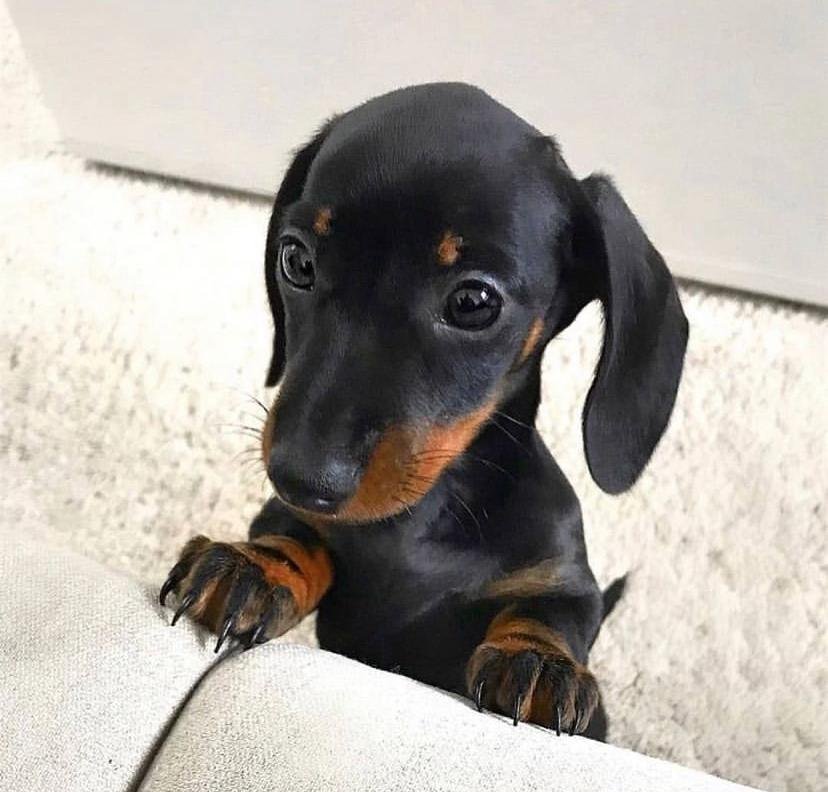
Finding a reputable dachshund breeder is the single most important decision you will make when bringing a dachshund puppy into your home. It determines the health of your dog, the accuracy of what you were told before purchase, and whether you spend the next 12 to 16 years with a thriving companion — or dealing with preventable heartbreak.
I’m not going to sugarcoat this. There are a lot of breeders out there. Some are exceptional. Some are genuinely dangerous to your wallet and your future dog’s wellbeing. And many fall somewhere in the uncomfortable middle — not outright scams, but not the kind of careful, reputable dachshund breeder your puppy deserves.
This guide is going to walk you through exactly what separates a reputable dachshund breeder from one you should run from. We’ll also cover both miniature dachshunds and standard dachshunds, because the considerations differ between the two more than most buyers realize.
By the end, you’ll know precisely what to look for, what questions to ask, and why choosing the right breeder now saves you thousands of dollars — and enormous heartache — down the road.
Why the Breeder You Choose Matters More Than You Think
Most people focus on the puppy. The color. The coat type. Whether it’s a mini or a standard. Those things matter — but they come second.
The breeder is where it starts.
A reputable dachshund breeder isn’t just selling you a dog. They’re giving you a decade and a half of health outcomes baked into that puppy’s genetics. They’re either doing health screenings or not. They’re either socializing those puppies properly in the first 8 weeks of life or not. They either stand behind their animals after the sale or they don’t.
Puppy mills and low-quality backyard breeders can produce puppies that look healthy at 8 weeks old. That’s the painful truth. The problems often don’t appear until month 6, year 2, or year 4 when back problems, heart conditions, and behavioral issues surface that a reputable dachshund breeder would have screened for or prevented. According to the ASPCA, adopting or purchasing from a responsible source is one of the most impactful decisions a new pet owner can make.
At EliteDachshund.com, every puppy comes from a program that takes these considerations seriously. But regardless of where you’re looking, here’s what you need to know to protect yourself.
H2: Miniature Dachshund vs. Standard Dachshund — What Buyers Need to Know Before Choosing a Breeder
Before we get into reputable dachshund breeders, it’s worth understanding what you’re actually looking for — because the two varieties have different care profiles, different health risk levels, and slightly different things to watch for during breeder evaluation.
H3: Miniature Dachshunds
Miniature dachshunds typically weigh under 11 pounds at maturity. They’re compact, energetic, surprisingly bold for their size, and have become one of the most popular small dog breeds in the United States. The American Kennel Club (AKC) recognizes the dachshund as one of America’s most beloved breeds, noting their playful nature and fierce loyalty.
Here’s what makes them unique from a breeding standpoint:
-
- Higher fragility in early puppyhood. Mini dachshunds are smaller at birth, which means they require more attentive whelping and early care from the breeder. A breeder producing healthy, thriving mini puppies is doing more work than you might realize.
-
- Dachshund puppy sleep schedule by age matters more in minis. Because they’re smaller, their energy reserves are lower, and a proper sleep-to-activity ratio in puppyhood is critical. A good breeder will send you home with a puppy already adjusted to a reasonable schedule — typically sleeping 16–18 hours per day at 8 weeks, dropping gradually to 12–14 hours by 6 months.
-
- IVDD risk is significant. Intervertebral Disc Disease affects the dachshund breed broadly, but miniatures can sometimes be at elevated risk due to the compounding factors of selective breeding for small size. A trustworthy breeder will discuss this openly.
-
- Coat variety is broader in minis. You’ll commonly find smooth, long-haired, and wire-haired miniature dachshunds. Each coat type has its own grooming requirements, and a good breeder will help you understand what you’re signing up for.
H3: Standard Dachshunds
Standard dachshunds typically weigh between 16 and 32 pounds. They’re bigger, often a bit calmer in temperament than their mini counterparts, and make excellent family dogs with proper socialization.
Key breeding considerations for standards:
-
- More exercise is required. Standards need more physical activity, and a breeder who’s raising standards in cramped conditions without adequate space and stimulation is producing puppies with pent-up energy and potential behavioral problems.
-
- The dachshund puppy sleep schedule by age applies here too, though standards often stabilize into sleep patterns a bit earlier. By 3 months, a well-raised standard puppy is typically sleeping through most of the night.
-
- Joint health screening becomes even more relevant. Larger size means more stress on the spine. Ask breeders of standard dachshunds specifically about what they screen for and whether they’ve had any cases of IVDD in their lines.
-
- Temperament testing is more accessible. Because standard puppies are easier to handle during early behavioral assessments, a quality breeder of standards should be doing structured temperament evaluations before placing puppies.
H2: 7 Signs You’ve Found a Reputable Dachshund Breeder
This is the core of what you need to know. Whether you’re searching for a dachshund breeder near me or considering a reputable dacshund breeder across the country, these are the markers that separate trustworthy operations from the ones you should avoid.
H3: 1. They Ask You Questions Before You Ask Them
A breeder who cares about their puppies is screening buyers — not just collecting deposits.
If you reach out to a breeder and they immediately ask how many you want, what colors, and where to send payment — leave. That’s not how responsible breeders operate.
A reputable dachshund breeder wants to know about your living situation. Do you have a yard? Do you have small children? Have you owned a dachshund before? Are you prepared for the potential medical costs of a dog prone to back issues? These aren’t annoying questions. They’re signs of a breeder who actually cares where that puppy ends up.
At EliteDachshund.com, this kind of conversation is part of every placement process. The goal is to match the right puppy with the right family — not to move inventory.
H3: 2. Health Testing Is Specific, Not Vague
Every breeder claims their dogs are “health tested.” Ask them what that means, specifically.
For dachshunds, you should be asking about:
-
- IVDD (Intervertebral Disc Disease) — Is there any screening in their breeding lines? Do they avoid breeding dogs with known disc problems in their history?
-
- PRA (Progressive Retinal Atrophy) — This is especially relevant for long-haired dachshunds. Reputable breeders test for this.
-
- Heart health — Cardiac issues exist in the breed. Ask whether breeding dogs have been evaluated.
-
- Hip and joint evaluations — More relevant for standards, but worth asking about across the board.
The Orthopedic Foundation for Animals (OFA) maintains a public database of health test results by breed. You can look up a breeder’s dogs directly to verify their health testing claims — a step every serious buyer should take.
A legitimate dachshund breeder can give you specific answers to every one of these questions. If their response is “we just love dachshunds and our dogs are always healthy,” that’s not health testing. That’s wishful thinking.
H3: 3. You Can See Where the Puppy Was Raised
Virtual tours have made this more accessible for people buying from out of state. But whether in person or via video, you should be able to see the environment where the puppy spent its first 8 weeks of life.
You’re looking for:
-
- Clean, appropriately sized living spaces
-
- Evidence that puppies have been socialized with humans from a young age
-
- The mother dog — ideally, you should be able to see her health and temperament
-
- Puppies that are alert, curious, and engaged — not lethargic or fearful
Puppy mills keep dogs in conditions they specifically avoid showing buyers. If a breeder is evasive about a facility visit or refuses to provide a video tour, take that seriously. The Humane Society of the United States has documented how puppy mills operate and what buyers can do to avoid unknowingly supporting them — it’s worth a read before you start your search.
H3: 4. They Understand the Dachshund Puppy Sleep Schedule by Age — and Prepare You for It
This might sound like a small detail, but it’s actually a meaningful trust signal.
A breeder who has spent genuine time raising dachshund puppies — not just producing litters — understands the developmental stages these dogs go through. One of the most common things new owners struggle with is their puppy’s sleep needs, and a quality breeder prepares you for this before you bring the puppy home.
Here’s what the general dachshund puppy sleep schedule by age looks like:
| Age | Average Sleep Per Day |
|---|---|
| 8–10 weeks | 16–18 hours |
| 10–12 weeks | 15–17 hours |
| 3–4 months | 14–16 hours |
| 5–6 months | 13–15 hours |
| 7–12 months | 12–14 hours |
| Adult (1+ year) | 10–13 hours |
A breeder who can walk you through what to expect — including the adjustment period when puppies cry at night, the importance of a crate routine, and how sleep schedules differ slightly between minis and standards — is a breeder who actually knows their dogs.
H3: 5. There Is a Written Health Guarantee
Reputable breeders stand behind their puppies in writing. A health guarantee doesn’t have to cover everything forever, but it should clearly state:
-
- What genetic conditions are covered and for how long
-
- What the breeder’s obligations are if a puppy is diagnosed with a covered condition
-
- What documentation (vet visit, diagnosis) is required to make a claim
Be cautious of guarantees that sound generous on the surface but include provisions that make them nearly impossible to invoke — like requiring you to return the puppy to claim any remedy.
H3: 6. They Stay in Contact After the Sale
A puppy mill or irresponsible backyard breeder has no interest in hearing from you once the transaction is complete.
A quality breeder does.
When you’re learning how to find a reputable dachshund breeder you can trust, look for one who actively encourages you to reach out with questions after you bring your puppy home. Many reputable dachshund breeders have a network of previous buyers, social media groups, or direct communication channels for exactly this reason.
The team at EliteDachshund.com understands that buying a puppy is the beginning of a relationship — not the end of one.
H3: 7. Their Pricing Reflects the True Cost of Responsible Breeding
If the price seems shockingly low, ask yourself why.
A breeder who is doing pre-breeding health testing, providing appropriate veterinary care for mother and puppies, properly socializing litters, and standing behind their dogs with a health guarantee — is spending money. That cost is reflected in the price.
This doesn’t mean the most expensive breeder is automatically the best one. But a puppy priced significantly below market rates for a health-tested, responsibly raised dachshund is telling you something about what corners were cut.
H2: Red Flags That Suggest a Puppy Mill or Irresponsible Breeder
Now that you know what to look for, here are the warning signs to watch for.
H3: They Have Multiple Breeds Always Available
One of the clearest indicators of a puppy mill operation is a breeder who always has every breed available in unlimited quantities. Responsible breeders typically have waitlists. They breed intentionally. They don’t have a rotating inventory of 12 different breeds ready to ship on demand.
H3: They Won’t Answer Specific Health Questions
Vague answers to direct health questions are a major red flag. “Our dogs are super healthy” is not a health history. Ask what specific tests have been run and ask for documentation. A legitimate dachshund breeder can provide this.
H3: The Only Communication Is Online — And They Push for Fast Payment
Be careful with breeders who refuse phone or video calls and insist on quick payment via wire transfer, cash app, or cryptocurrency. These are scam indicators.
Even legitimate online breeders — including those shipping puppies — should be willing to do a live video call so you can see the puppy and ask questions in real time.
H3: The Puppy Is Being Sent Home Too Early
Dachshund puppies should not leave their mother and litter before 8 weeks of age. This socialization window is critical. A breeder sending puppies home at 5 or 6 weeks is either ignorant of proper development or is moving puppies quickly to minimize their own costs. Either scenario is a problem. The AKC’s breeder of merit program is one way to identify breeders who have committed to health testing and responsible practices — worth checking when doing your research.
H3: No Contract, No Documentation
A reputable breeder provides paperwork — health guarantee, vaccination records, registration papers (if applicable), and a contract that outlines both parties’ responsibilities. If a breeder has no documentation ready, that tells you everything you need to know about their operation.
H2: Questions to Ask When You Contact a Reputable Dachshund Breeder Near Me (Or Out of State)
Use this as a checklist when you reach out to any breeder:
-
- How long have you been breeding dachshunds specifically?
-
- What health tests do you perform on your breeding dogs?
-
- Can I see the mother of the litter — in person or via video?
-
- What does your socialization process look like for puppies?
-
- At what age do you send puppies to their new homes?
-
- What does your health guarantee cover, and for how long?
-
- Do you have references from previous buyers?
-
- What support do you offer after the puppy comes home?
-
- Are your puppies registered? With which organization?
-
- Have you ever had a puppy in your lines diagnosed with IVDD or other breed-specific conditions?
A quality breeder will welcome these questions. A bad one will give you vague answers, deflect, or pressure you to commit before you’ve had a chance to evaluate properly.
H2: What the First Weeks at Home Look Like — The Dachshund Puppy Sleep Schedule by Age in Practice
Once you’ve found your breeder and your puppy is on the way, one of the most practical things you need to prepare for is sleep.
New owners are often surprised by how much dachshund puppies sleep — and equally surprised by how disruptive nighttime crying can be in the first week.
Here’s what you can realistically expect:
Weeks 1–2 at home (8–10 weeks old): Your puppy will sleep most of the day. They’ll be awake in short bursts of 1–2 hours, then crash again. This is completely normal. Their brains are developing rapidly. The dachshund puppy sleep schedule at this age is largely dictated by biology, not by what you train them to do.
Night crying is common at this stage because puppies have just left their littermates. The warmth, sound, and movement they’re used to is gone. A ticking clock wrapped in a blanket near the crate, a worn shirt of yours placed inside, or a puppy-safe heartbeat toy can help significantly.
Months 2–3 (10–14 weeks old): Sleep consolidates slightly. You’ll see more predictable patterns — typically a nap after eating, playtime in the morning, another nap in the afternoon. Begin establishing a consistent routine here because dachshunds thrive on predictability.
Months 3–6: This is where crate training and sleep training really click into place if you’ve been consistent. Most dachshund puppies in this age range can sleep through the night with a last bathroom break at 10–11 PM and a morning wake-up around 6–7 AM.
Both miniature and standard dachshunds follow this general progression, though minis may need slightly more sleep early on due to their smaller energy reserves.
A breeder who prepares you for all of this — not just hands you a puppy and waves goodbye — is a breeder worth trusting.
H2: Why EliteDachshund.com Is the Reputable Dachshund Breeder You’ve Been Looking For
At EliteDachshund.com, the program is built around a simple belief: healthy, well-socialized puppies placed with informed, prepared families.
That means:
-
- Puppies raised in a home environment with daily human interaction from birth
-
- Health-focused breeding that prioritizes genetic soundness over color trends or constant availability
-
- Transparent communication before, during, and after every placement
-
- A team that answers questions — not just during the sales process, but after your puppy comes home
-
- Both miniature and standard dachshunds, placed when they’re developmentally ready
If you’re ready to see who’s available, you can browse current puppies at EliteDachshund.com/dachshund-puppies-for-sale.
But if you’re still in the research phase — that’s okay too. Take your time. Ask the questions. Do the work. The right puppy and the right breeder are worth waiting for.
H2: Final Thoughts on How to Find a Dachshund Breeder You Can Actually Trust
There’s no shortcut to this process. You can’t just Google “dachshund breeder near me” and trust the first result. You have to do the digging.
But the effort is worth it — because a puppy from a reputable dachshund breeder who health tests, socializes properly, and supports buyers after the sale is a fundamentally different experience than buying a puppy from someone who doesn’t.
Dachshunds are remarkable dogs. Loyal to the point of being velcro animals. Courageous, curious, occasionally stubborn, and deeply attached to their people. They deserve to start life right. And so do you.
Take your time. Ask the hard questions. And when something feels off — trust that instinct.
FAQs About Dachshund Puppies for Sale
Q: How much does a dachshund puppy cost from a reputable dachshund breeder?
Prices vary by location, coat type, and whether you’re purchasing a miniature or standard dachshund. In general between trusted dachshund breeders and expect to pay between $1,200 and $3,500 from a reputable dachshund breeder who health tests and provides proper veterinary care. Prices significantly below this range are often a sign that corners are being cut.
Q: What is the difference between a miniature and standard dachshund?
Miniature dachshunds weigh under 11 pounds at maturity. Standard dachshunds typically range from 16 to 32 pounds. Beyond size, standards tend to be slightly calmer and may be a better fit for families with young children. Miniatures are well-suited for apartment living and are easier to manage physically. Both varieties share the same temperament traits — loyalty, curiosity, and a strong prey drive.
Q: Are dachshunds hard to train?
Dachshunds have an independent streak — they were originally bred to hunt and think for themselves. This can make training require more patience than some other breeds. However, with consistent positive reinforcement, clear boundaries, and appropriate expectations, dachshunds can be reliably trained. The American Veterinary Society of Animal Behavior (AVSAB) recommends positive reinforcement as the gold standard for puppy training — something every good dachshund owner should keep in mind. Potty training specifically benefits from a strict schedule and crate training from an early age.
Q: What health problems should I know about before buying a dachshund?
The most significant health concern in the breed is Intervertebral Disc Disease (IVDD), which affects the spine and can range from mild discomfort to paralysis. This is largely a genetic condition, which is why buying from a health-tested breeder matters so much. The Dachshund Health UK organization provides in-depth information on IVDD risk factors and what responsible breeding looks like from a health standpoint. Other concerns include Progressive Retinal Atrophy (in long-haired varieties), dental disease, and obesity-related joint stress. Ask any breeder specifically how they screen for IVDD in their breeding lines.
Q: How long do dachshunds live?
Dachshunds are one of the longer-lived breeds, with an average lifespan of 12 to 16 years. Some live even longer. This is one of the reasons choosing a healthy puppy from a reputable breeder is so important — you’re making a long-term commitment.
Q: How much does a dachshund puppy sleep?
A lot — especially in the first few months. Following the dachshund puppy sleep schedule by age is important for setting healthy routines. At 8 weeks, puppies sleep 16–18 hours per day. By 6 months, that typically drops to 13–15 hours. Adult dachshunds sleep 10–13 hours daily, often in concentrated naps throughout the day.
Q: Is EliteDachshund.com a legitimate dachshund breeder?
Yes. EliteDachshund.com is a reputable dachshund breeder and we are program focused on health, temperament, and responsible placement. Puppies are raised in a home environment, socialized from birth, and placed with families who have been educated on the breed. You can view available miniature and standard dachshund puppies and reach out directly through the website.
Q: Can I buy a dachshund puppy online safely?
Yes, with the right precautions. Always request a live video call so you can see the puppy and the environment. Ask for health documentation, vaccination records, and a signed contract before sending any payment. Reputable online breeders like EliteDachshund.com have established shipping and handling processes and are transparent throughout the entire process.
Q: What should I prepare before bringing a dachshund puppy home?
Before your puppy arrives, have a crate sized appropriately for a dachshund (not too large), puppy-safe bedding, food and water bowls, a collar and leash, enzymatic cleaner for accidents, and a vet appointment scheduled for within the first week. Talk to your breeder about what food the puppy has been eating and continue that diet initially to avoid digestive upset from a sudden change.
Q: At what age should a dachshund puppy leave the breeder?
No earlier than 8 weeks. Many reputable breeders keep puppies until 9 or 10 weeks to allow additional socialization time with their littermates. Early separation (before 8 weeks) is associated with increased anxiety, behavioral problems, and difficulty bonding — and is actually illegal in many states.
Ready to meet your future dachshund? Browse available miniature and standard dachshund puppies at EliteDachshund.co
Pingback: top 5 most popular dog breeds | Premium Dachshund Puppies
Pingback: How to Avoid Dachshund Puppy Scams Online | quality 1