

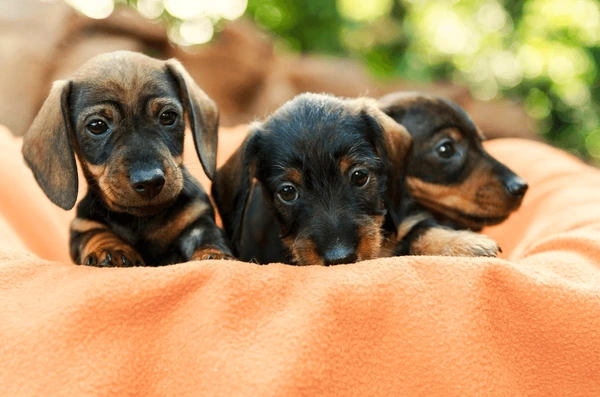
If you’ve been searching for miniature vs standard dachshund information before making your decision, you’re doing exactly the right thing. These two varieties share the same bold personality, the same long spine, the same mischievous eyes — but the differences between them go well beyond a number on a scale.
Choosing the wrong size isn’t a catastrophe. But choosing the right one from the start makes everything easier — training, exercise, living arrangements, and long-term health management. And when you add the cost of dachshund puppies into the equation, making an informed decision before you buy protects both your heart and your wallet.
This guide covers everything: size differences, temperament, health considerations, cost breakdowns, potty training realities for both varieties, and what questions to ask before you put a deposit on any puppy. By the time you finish reading, you’ll know exactly which dachshund belongs in your home — and what to look for in a breeder who will set you up for success.
H2: Understanding the Dachshund Breed — Before You Pick a Size
Before diving into the dachshund size comparison, it helps to understand what you’re getting regardless of variety. The dachshund is one of the most recognizable breeds in the world — and one of the most misunderstood.
According to the American Kennel Club (AKC), dachshunds were originally bred in Germany to hunt badgers. Their long, low bodies were purpose-built for going underground, their paddle-like front paws for digging, and their loud voices for alerting hunters above ground. That hunting heritage explains a lot about the dachshund personality that surprises first-time owners — the stubbornness, the prey drive, the bark that sounds far too big for the body.
The AKC recognizes two sizes — miniature and standard — and three coat types within each size: smooth (short-haired), long-haired, and wire-haired. Each coat type has its own grooming demands, and each size has its own distinct care profile.
Both varieties are loyal to the point of obsession. Both are clever, curious, and deeply entertaining. And both require owners who are patient, consistent, and genuinely committed — because a dachshund will test you.
At EliteDachshund.com, we raise both miniature and standard dachshunds, and we’ve seen firsthand how the right match between dog and family makes all the difference.
H2: Miniature vs Standard Dachshund — The Core Differences
H3: Size and Weight
The most obvious difference is physical size, but it’s worth being precise about what that means in practice.
| Miniature Dachshund | Standard Dachshund | |
|---|---|---|
| Weight | Under 11 lbs | 16–32 lbs |
| Height | 5–6 inches | 8–9 inches |
| Body length | Noticeably compact | Longer, more substantial |
| Perceived presence | Small but bold | Medium-sized, sturdy |
Miniature dachshunds are genuinely small dogs. They can fit comfortably in a tote bag, curl into a tight ball on your lap, and navigate small apartments with ease. Standard dachshunds are solidly medium-sized — not large dogs by any measure, but a completely different physical experience from their miniature counterparts.
H3: Temperament — Are They Different Personalities?
This is one of the most common questions in any mini dachshund vs full size comparison, and the honest answer is: somewhat.
Both varieties share the same core breed traits — independence, loyalty, boldness, and a stubborn streak that can frustrate inexperienced owners. But breeders and owners consistently report some temperament differences between the two:
Miniature dachshunds tend to be:
-
- More excitable and higher energy in short bursts
-
- Slightly more prone to anxiety, particularly separation anxiety
-
- More vocal and reactive to stimuli
-
- Deeply attached to one or two primary people
Standard dachshunds tend to be:
-
- A bit calmer overall, particularly with age
-
- Slightly more adaptable in family settings with children
-
- More measured in their reactions — less likely to bolt or startle
-
- Still deeply loyal, but with a broader social range
Neither variety is better in an absolute sense. It depends on your lifestyle, household, and what you’re looking for in a dog.
The AKC Dachshund breed standard describes both as “clever, lively, and courageous to the point of rashness” — which is about as accurate a description as you’ll find.
H3: Exercise Needs
Miniature dachshunds need about 20–30 minutes of moderate exercise daily. They’ll happily run around an apartment, play indoor fetch, and go for short walks. Too much intense exercise on hard surfaces can stress their small joints, so structured but gentle activity is key.
Standard dachshunds need 30–45 minutes of daily exercise, ideally split into two walks. They have more stamina and genuinely benefit from outdoor exploration. Both varieties have a strong instinct to sniff and explore, so varied walking routes keep them mentally engaged.
For both sizes, the American Veterinary Medical Association (AVMA) emphasizes that exercise should be appropriate for the dog’s age, health, and body structure — which matters deeply for a low-slung breed prone to spinal issues.
H3: Living Space Requirements
One of the most practical dachshund size comparison (miniature vs standard dachshund) considerations is where you live.
Miniature dachshunds are exceptional apartment dogs. They don’t need a yard, do well in smaller spaces, and their exercise needs can largely be met indoors. If you live in a city, a condo, or a small home without outdoor space, a mini dachshund is a natural fit.
Standard dachshunds can absolutely live in apartments, but they benefit more from access to outdoor space. They’re better suited to homes with yards or owners who are committed to daily outdoor walks. They’re calmer indoors than minis, but they need more room to decompress.
H2: Dachshund Puppy Potty Training — What You Need to Know for Both Sizes
Potty training is one of the topics that every new dachshund owner eventually confronts — and it’s an area where the miniature vs standard dachshund distinction actually matters.
H3: Why Dachshunds Are Notoriously Difficult to Potty Train
Let’s be upfront: dachshunds are one of the harder breeds to fully potty train. Their independent, stubborn nature means they don’t respond well to frustration or punishment. Their low-to-the-ground body makes them susceptible to cold and wet weather, which leads to flat-out refusal to go outside in bad conditions.
The American Kennel Club notes that consistency and positive reinforcement are the non-negotiable foundations of successful puppy potty training — and with dachshunds specifically, patience is what separates owners who succeed from owners who struggle.
H3: Miniature Dachshund Potty Training Considerations
Mini dachshunds have smaller bladders — which means more frequent bathroom trips and more accidents early on. A general rule of thumb: puppies can hold their bladder for approximately one hour per month of age. At 8 weeks old, that’s roughly 2 hours maximum.
For miniature dachshund puppies specifically:
-
- Take them out every 1–2 hours during the day until 12 weeks old
-
- Always go out immediately after waking, eating, and playing
-
- Use the same spot outdoors every time — scent association speeds up the process
-
- In cold or rainy weather, use a covered area or indoor pad near the door to prevent flat-out refusals
-
- Never punish accidents — redirect and reward correct behavior
Mini dachshunds are also more prone to “submissive urination” — leaking a small amount when overly excited or startled. This is a behavioral response, not a potty training failure, and it typically resolves by 6 months of age.
H3: Standard Dachshund Potty Training Considerations
Standard dachshunds have larger bladders and can hold it slightly longer, but the potty training fundamentals are identical. The main difference is that standard puppies tend to be a bit less reactive, which can make the process marginally smoother — but don’t count on it.
For both varieties, crate training is the most effective foundation for potty training success. Dogs naturally avoid soiling their sleeping space, which makes a properly sized crate one of the most powerful tools in your training arsenal.
The key word is “properly sized” — a crate that’s too large allows the puppy to use one end as a bathroom. For a miniature dachshund, a small crate (24 inches) is typically right. For a standard, a medium crate (30–36 inches) works well.
H3: A Realistic Dachshund Potty Training Timeline
| Age | Realistic Expectations |
|---|---|
| 8–10 weeks | Frequent accidents — up to 6–8 trips outside per day |
| 10–12 weeks | Starting to recognize the signal to go — accidents decreasing |
| 3–4 months | Understanding the concept — still needs supervision |
| 4–6 months | Mostly reliable indoors with consistent routine |
| 6–12 months | Fully reliable in most conditions — occasional setbacks normal |
| 12+ months | Fully potty trained with rare accidents |
Miniature dachshunds may take 1–2 months longer than standards to reach full reliability, largely due to bladder size. Both varieties benefit enormously from a consistent schedule, clear rewards, and an owner who understands that regression is normal and temporary.
H2: Health Considerations — Miniature vs Standard Dachshund
Health is one of the most important factors in any mini dachshund vs full size comparison, and it’s an area where both varieties share concerns — with some differences in severity and frequency.
H3: IVDD — The Breed’s Most Significant Health Risk
Intervertebral Disc Disease (IVDD) is the number one health concern for both miniature and standard dachshunds. Their long spines and short legs create a structural vulnerability that no amount of careful ownership can fully eliminate — but responsible breeding can significantly reduce.
According to Dachshund Health UK, approximately 1 in 4 dachshunds will experience some degree of IVDD in their lifetime. The condition ranges from mild back pain to full hind-limb paralysis, and treatment can range from rest and medication to surgery costing $3,000–$8,000 or more.
Miniature dachshunds may face a slightly higher relative risk due to the compounding of small body size with the breed’s structural characteristics. However, the more important factor in either variety is the breeding line — a reputable breeder who actively screens for and avoids breeding dogs with IVDD history dramatically reduces the risk.
Signs of IVDD to watch for:
-
- Reluctance to jump or climb stairs
-
- Crying when picked up or touched along the spine
-
- Dragging rear legs or walking with a hunched back
-
- Loss of bladder or bowel control
If you notice any of these signs, contact your veterinarian immediately. IVDD is time-sensitive — early intervention significantly improves outcomes.
H3: Other Health Considerations by Size
Miniature dachshunds are more prone to:
-
- Hypoglycemia (low blood sugar) in young puppies due to small body mass
-
- Dental crowding — small mouths with full-size teeth create more dental issues
-
- Patellar luxation (kneecap slipping) — more common in smaller dogs
Standard dachshunds are more prone to:
-
- Obesity-related joint stress — more body weight means more stress on the spine
-
- Bloat — larger body cavities increase risk, though it’s uncommon in dachshunds compared to deep-chested breeds
-
- Exercise-induced fatigue — larger bodies need more recovery time
The Canine Health Information Center (CHIC) maintained by the OFA provides breed-specific health testing recommendations. For dachshunds, CHIC recommends eye examinations and cardiac evaluations — tests that responsible breeders complete before breeding.
H3: Lifespan
Both miniature and standard dachshunds are long-lived breeds. According to the AKC, the typical lifespan is 12–16 years, with many living well beyond that. Miniatures often live slightly longer on average, consistent with the general pattern of smaller dogs outliving larger ones.
This longevity is one of the most important reasons to choose a healthy puppy from a health-tested line. You’re making a 12–16 year commitment — the quality of that beginning matters enormously.
H2: The Real Cost of Dachshund Puppies — Miniature vs Standard Dachshund Breakdown
Cost is a topic many buyers research carefully before committing, and for good reason. The purchase price is only the beginning.
H3: Purchase Price — What to Expect in 2026
Dachshund puppy prices vary by breeder, location, coat type, and color. Here’s a realistic 2026 range:
| Type | Price Range |
|---|---|
| Miniature Dachshund (standard colors) | $1,200 – $2,500 |
| Miniature Dachshund (rare colors/coat) | $2,000 – $3,500+ |
| Standard Dachshund (standard colors) | $1,000 – $2,200 |
| Standard Dachshund (rare colors/coat) | $1,800 – $3,000+ |
Prices below $800 for any dachshund puppy from a “breeder” are a significant red flag. Responsible breeding — health testing, proper veterinary care for mother and litter, socialization, and support after the sale — costs money. That cost is reflected in the price.
At EliteDachshund.com, pricing reflects the genuine cost of responsible breeding — not the minimum necessary to move puppies quickly.
H3: First-Year Ownership Costs
The purchase price is just the start. Here’s a realistic first-year cost breakdown:
| Expense | Estimated Cost |
|---|---|
| Puppy purchase | $1,200 – $3,500 |
| Initial vet visit + vaccines | $150 – $300 |
| Spay/neuter (if applicable) | $200 – $500 |
| Crate, bed, and supplies | $150 – $300 |
| Food (quality dry kibble) | $300 – $600/year |
| Grooming (long/wire-haired) | $200 – $600/year |
| Training classes | $100 – $300 |
| Pet insurance (recommended) | $300 – $700/year |
| Estimated Year 1 Total | $2,600 – $6,800 |
Pet insurance is particularly worth considering for dachshunds given the IVDD risk. Organizations like the North American Pet Health Insurance Association (NAPHIA) provide resources to help compare policies. A plan that covers orthopedic conditions could save you thousands if your dachshund ever develops spinal issues.
H3: Long-Term Annual Costs
After the first year, ongoing annual costs typically run $1,200–$3,000 depending on health, grooming needs, and whether any medical issues arise. Standard dachshunds eat slightly more and may have higher grooming costs if you have a long-haired variety, but the difference isn’t dramatic.
The long-term cost difference between miniature and standard dachshunds is relatively modest — food and grooming are slightly higher for standards, but vet costs and pet insurance premiums are comparable.
H2: Which Dachshund Should I Get? — A Decision Framework
After all of the above, the question of which dachshund should I get comes down to four honest questions:
1. What is your living situation?
-
- Small apartment, no yard → Miniature dachshund is a better fit
-
- House with yard or easy outdoor access → Either variety works well
2. Do you have young children?
-
- Toddlers and very young children → Standard dachshunds tend to be more patient and less easily startled
-
- Older children who understand dogs → Either variety, with proper socialization
3. How much time do you have for exercise and training?
-
- Limited outdoor time → Miniature (can meet needs indoors more easily)
-
- Active lifestyle with daily walks → Either variety; standards will enjoy it more
4. What is your budget for ongoing care?
-
- Tighter budget → Either can work, but factor in potential IVDD costs regardless of size
-
- Can manage unexpected medical costs → Either variety; strongly consider pet insurance
There is no universally “right” answer. The right dachshund is the one that fits your actual life — not the one that looks best in a photo.
H2: Finding Dachshund Puppies for Sale — What to Look for in a Breeder
Whether you’re searching for miniature vs standard dachshund, dachshund puppies for sale, mini dachshund for sale, or a full-size puppy, the breeder you choose is the single most important variable in your experience.
A reputable breeder:
-
- Health tests breeding dogs before producing litters
-
- Raises puppies in a home environment with daily human contact
-
- Provides vaccination records, health guarantees, and a written contract
-
- Asks you questions about your lifestyle and home before placing a puppy
-
- Stays available for questions after the sale
The AKC Marketplace and the AKC Breeder of Merit Program are good starting points for identifying breeders who have committed to health testing and responsible practices.
The Orthopedic Foundation for Animals (OFA) maintains a searchable database where you can verify a breeder’s health testing claims directly.
At EliteDachshund.com, both miniature and standard dachshund puppies are raised in a home environment, health-screened, socialized from birth, and placed only with families who have been educated on the breed. If you’re ready to explore available puppies, visit EliteDachshund.com/dachshund-puppies-for-sale.
H2: Final Thoughts — Miniature vs Standard Dachshund
The miniature vs standard dachshund decision is genuinely personal, and neither answer is wrong. Both varieties are remarkable dogs. Both will test your patience, steal your heart, and make you wonder how you ever lived without one.
What matters most is that you go in informed — about the size, the temperament, the health risks, the real costs, and what potty training is actually going to look like for the next several months. Buyers who do this research before purchasing are the ones who end up as the happiest dachshund owners.
And when you’re ready to take the next step, work with a breeder who takes as much care with puppy placement as you’ve taken with your research.
EliteDachshund.com is here when you’re ready.
FAQs About Miniature vs Standard Dachshund and Dachshund Puppies for Sale
Q: What is the main difference between a miniature and standard dachshund?
The primary difference between miniature vs standard dachshund is size. Miniature dachshunds weigh under 11 pounds at maturity; standard dachshunds typically range from 16 to 32 pounds. Beyond size, miniatures tend to be slightly more energetic and excitable, while standards are often a bit calmer and better suited to family environments with young children. Both varieties share the same breed traits — loyalty, boldness, stubbornness, and a deep attachment to their people.
Q: Which is easier to take care of — a miniature vs standard dachshund?
Neither is dramatically easier, but there are practical differences. Miniature dachshunds are easier to manage physically and do well in smaller living spaces. Standard dachshunds are sometimes easier to potty train (larger bladder capacity) and may be calmer indoors. Health care costs and IVDD risk are significant for both. Overall, the “easier” choice depends on your specific lifestyle.
Q: How much does a dachshund puppy cost from a reputable breeder?
In 2026, miniature dachshund puppies from reputable breeders typically range from $1,200 to $3,500 depending on coat type and color. Standard dachshunds range from $1,000 to $3,000. Prices below $800 are often a sign of a puppy mill or an unscreened backyard breeder. Always factor in first-year costs of $2,500–$6,000 beyond the purchase price.
Q: Are dachshunds hard to potty train?
Yes — dachshunds are one of the more challenging breeds to fully potty train. Their independent nature and sensitivity to weather (particularly cold and wet conditions) work against the process. Miniature dachshunds typically take longer due to smaller bladder capacity. With a consistent crate training schedule, positive reinforcement, and patience, most dachshunds reach full reliability by 6–12 months of age.
Q: Is IVDD more common in miniature or standard dachshunds?
Both varieties are at significant risk. IVDD affects approximately 1 in 4 dachshunds across both sizes. Some evidence suggests miniatures may face slightly elevated relative risk, but the more important factor is the breeding line. Choosing a puppy from a breeder who actively screens for and avoids IVDD history in their lines is the single most effective risk reduction strategy.
Q: Can a dachshund live in an apartment?
Yes — particularly miniature dachshunds. Their exercise needs can largely be met indoors, and they adapt well to small living spaces. Standard dachshunds can also do well in apartments with committed daily walks. Both varieties are vocal, so apartment living requires early training to manage barking.
Q: At what age should I bring a dachshund puppy home?
No earlier than 8 weeks. The 7–8 week socialization window with littermates is critical for behavioral development. Many reputable breeders keep puppies until 9–10 weeks. Early separation is associated with increased anxiety and behavioral problems — and is actually illegal in many U.S. states.
Q: How can I buy a dachshund puppy from EliteDachshund.com?
EliteDachshund.com is a reputable dachshund breeder offering both miniature and standard dachshund puppies raised in a home environment. Puppies are socialized from birth, health-screened, and placed with prepared families. You can view currently available puppies, learn about the placement process, and contact the team directly at EliteDachshund.com. The team is happy to answer questions about which variety is the right fit for your home before you commit.
Q: Do miniature and standard dachshunds get along with other pets?
Both varieties can coexist well with other pets when properly socialized from an early age. Dachshunds have a strong prey drive — historically bred for hunting — which means they may chase smaller animals like cats, rabbits, or birds. Early, consistent socialization greatly reduces this. With other dogs, dachshunds tend to be confident and assertive regardless of size difference, which is something to manage thoughtfully in multi-dog households.
Q: How long do dachshunds live?
Both miniature and standard dachshunds typically live 12–16 years, making them one of the longer-lived breeds. Miniatures may have a slight longevity edge, consistent with smaller dogs generally outliving larger ones. This long lifespan is one of the most important reasons to invest in a healthy, well-bred puppy from the start — the quality of those early years shapes the health of the next 15.
Q: What should I do first when I bring a dachshund puppy home?
Schedule a veterinary appointment within the first 48–72 hours to establish a health baseline and continue the vaccination schedule. Set up a crate in a quiet, central location. Begin potty training immediately with a consistent schedule. Limit exposure to stairs and jumping until at least 12 months — a critical IVDD prevention measure. And give your puppy time to adjust — the first week is overwhelming for any puppy, and calm, consistent routines make the transition smoother for everyone.
Ready to find your perfect dachshund? Browse available miniature and standard puppies at EliteDachshund.com — and reach out with any questions. We’re here to help you find the right fit.
Pingback: Dachshund Coat Types Explained: Smooth, Long & Wire | Quality 1
Pingback: Teacup Dachshunds: Are They Real & Safe to Buy? 2026